TEHRAN, Iran — October 29, 2026
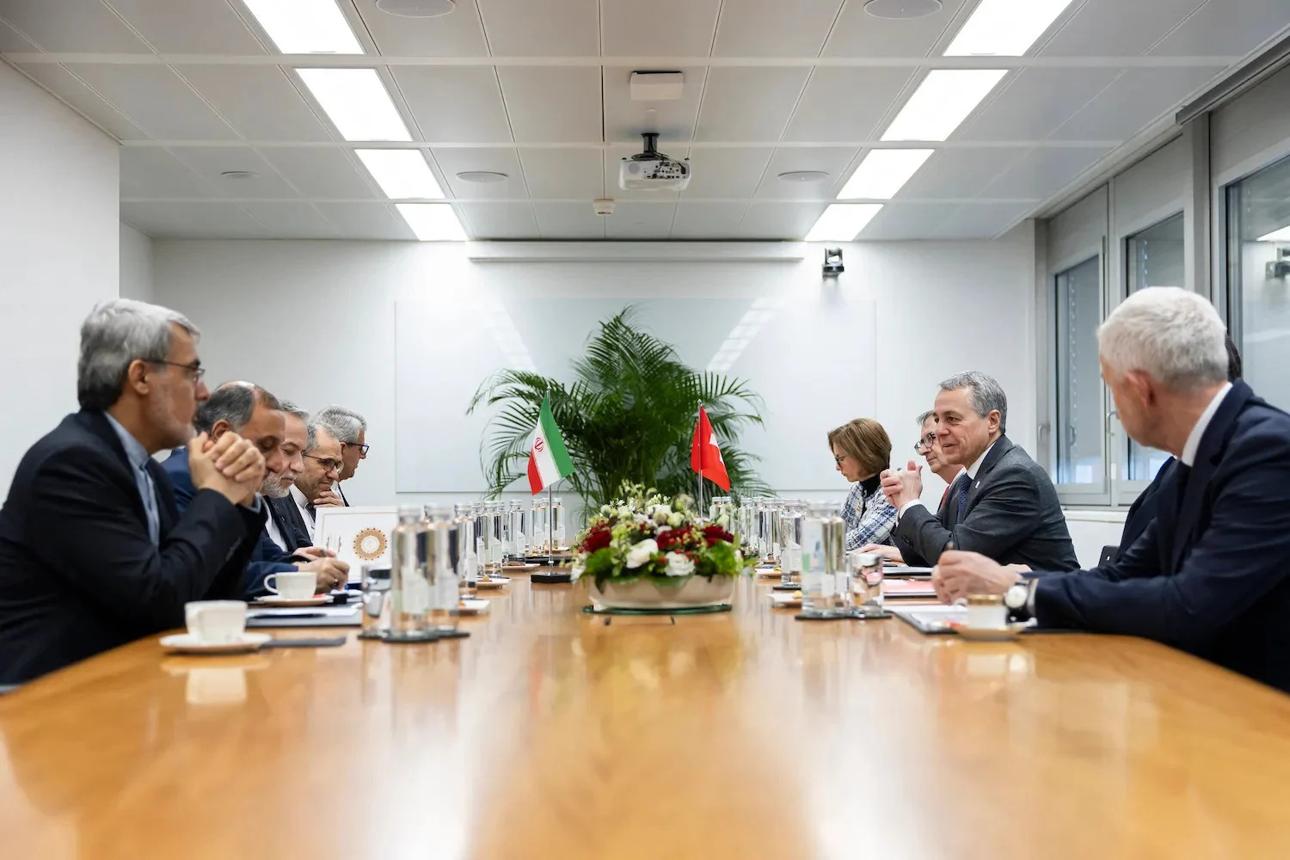
Iran says it is discussing a proposed seven-day plan with mediators intended to end the ongoing Middle East war and reopen the strategically important Strait of Hormuz, according to remarks by Foreign Minister Abbas Araghchi reported on October 29.
The diplomatic effort comes amid continued concern about regional security, commercial shipping and the risk of further military escalation. Negotiations have become increasingly important to governments and businesses seeking to limit the conflict's wider economic consequences.
Why the Strait of Hormuz matters
The Strait of Hormuz is one of the world's most important maritime energy corridors. Before the current conflict, roughly one-fifth of global oil and petroleum-product consumption passed through the waterway, making it vital to international energy trade.
Threats to commercial shipping can increase insurance costs, disrupt delivery schedules and push energy prices higher. Countries dependent on imported fuel are particularly exposed to prolonged interruptions.
Diplomacy faces major uncertainties
Iran's statement indicates that discussions with mediators are continuing, but it does not establish that a final agreement has been reached or that a ceasefire has taken effect.
Any workable arrangement would need to address the cessation of hostilities, the security of commercial vessels and the practical conditions required to resume safe passage through the strait.
Diplomatic progress could help ease pressure on energy markets. However, renewed attacks or a breakdown in negotiations could reverse that effect and heighten fears of further escalation.
Global economic implications
Oil prices have remained elevated amid concerns about the conflict and the security of Gulf shipping. Businesses, transport operators and governments are watching developments closely because prolonged instability could raise costs throughout the global economy.
The proposed plan remains under discussion in the available reporting. Its terms, acceptance by all relevant parties and implementation have not been independently confirmed.