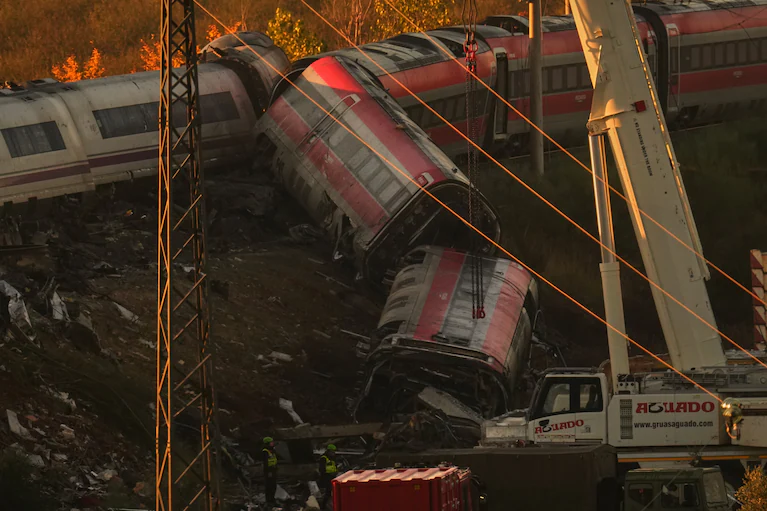
Spain's highly regarded high-speed railway network is facing a serious confidence crisis following two deadly train collisions within nine months that have claimed more than 100 lives.
The latest disaster occurred in central Spain, where a collision killed 69 people and left families searching for missing relatives.
The tragedy has renewed questions about railway safety, infrastructure maintenance and the effectiveness of existing inspection procedures.
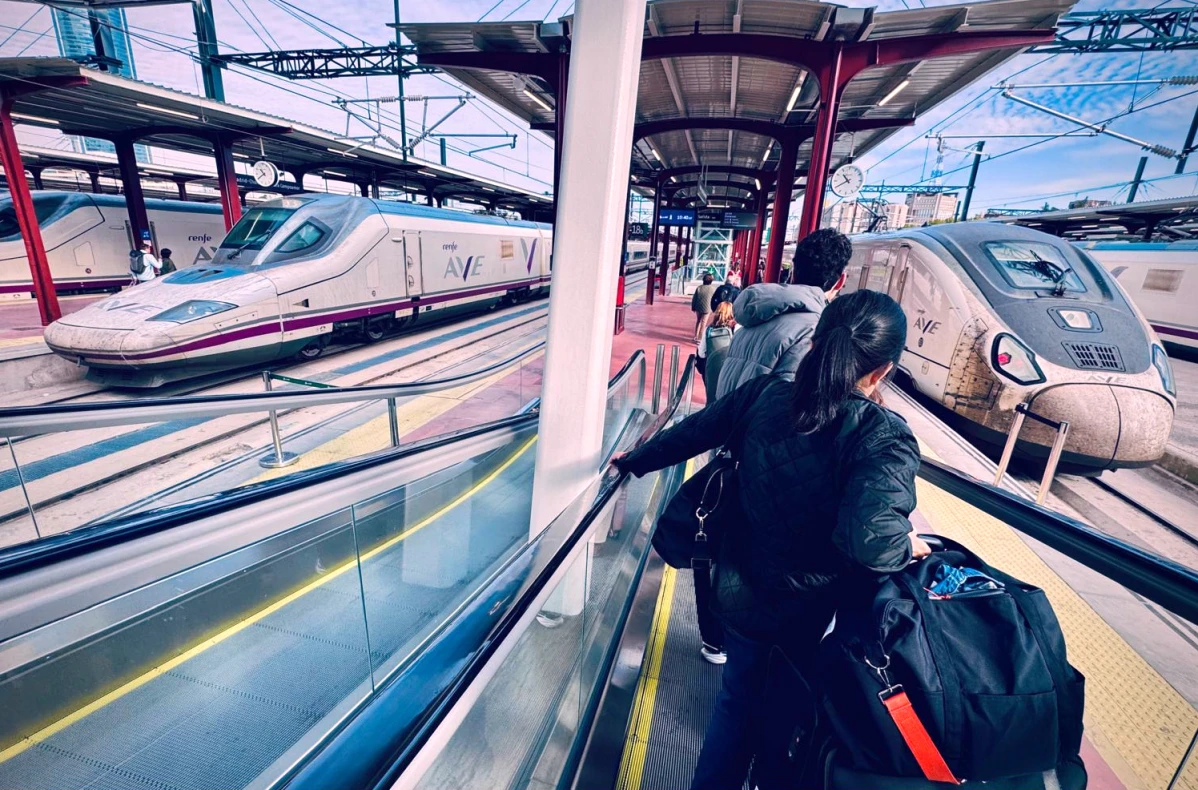
Passengers interviewed by the Associated Press described mixed reactions, with some continuing to use the trains because they have no practical alternative while others are considering road travel instead.
Railway workers have also staged industrial action demanding improved safety standards and greater investment in maintenance.
Spain operates approximately 3,900 kilometres of high-speed railway infrastructure, making it one of the world's largest high-speed rail networks.
Prime Minister Pedro Sánchez has acknowledged that public confidence has been damaged and promised to investigate what went wrong.
The incident could have wider political implications as Spain approaches an election, placing additional pressure on the government to demonstrate that meaningful improvements will be made.