UNITED NATIONS, New York — October 29, 2026
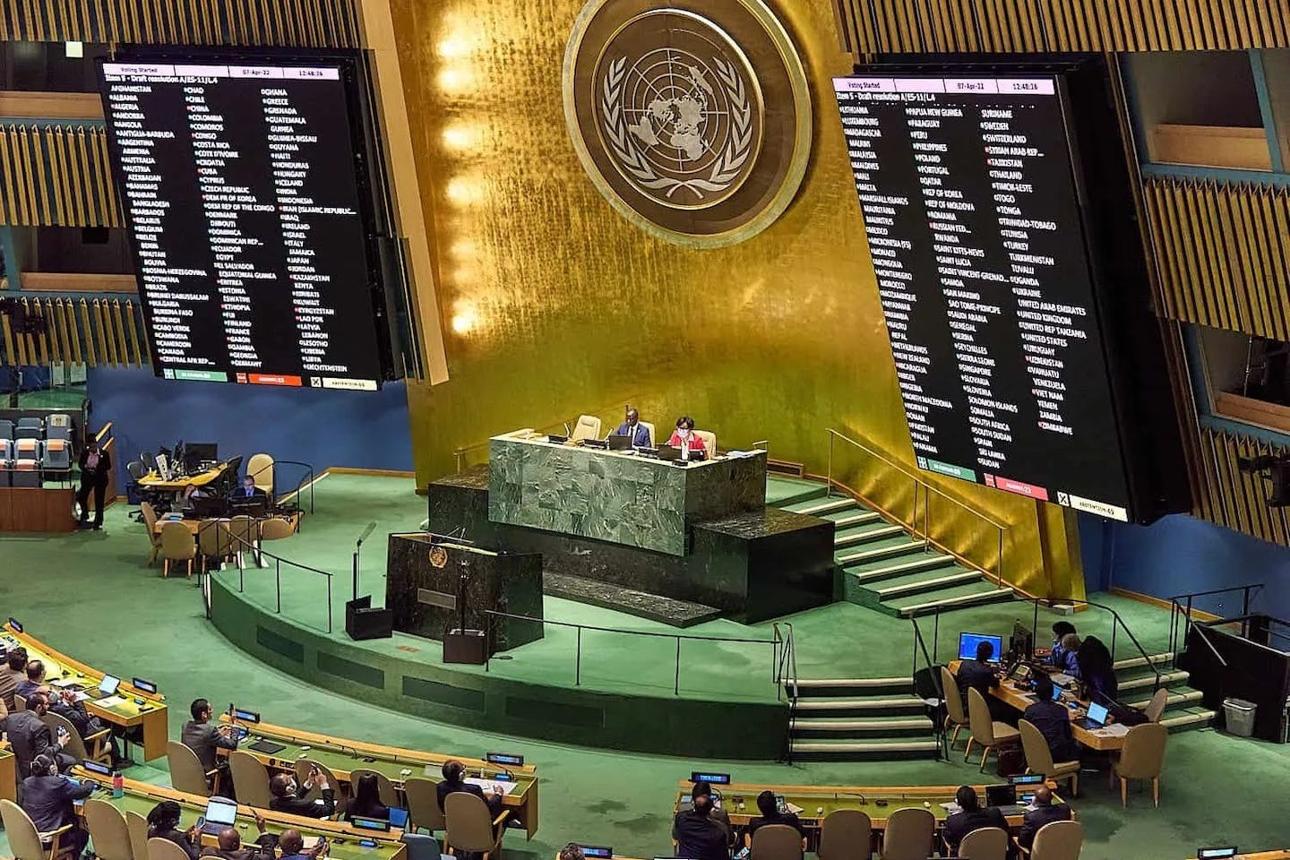
The United Nations General Assembly has once again called for an end to the United States' longstanding economic embargo on Cuba, although the latest vote revealed a significant reduction in support for the resolution compared with previous years.
The resolution, adopted on Wednesday, received 130 votes in favour, 17 against and 25 abstentions. The United States and Israel were among the countries voting against it.
Last year's vote was substantially more favourable to Cuba, with 165 countries supporting the resolution, seven opposing it and 12 abstaining.
What the resolution means
The annual resolution expresses the international community's position on the economic, commercial and financial restrictions imposed by Washington on Havana. It carries diplomatic and political weight but does not itself terminate the embargo.
Changing the US embargo would require action under the American legal and political system, including the role of Congress.
A changing diplomatic picture
The latest vote followed lobbying by the US government that reportedly encouraged more countries to oppose the resolution or abstain. Several European countries that had supported previous resolutions instead abstained this time.
The shift illustrates the diplomatic pressure surrounding US–Cuba relations and the competing positions of governments on sanctions, human rights and economic restrictions.
For Cuba, the embargo remains a central foreign-policy issue, while the United States continues to defend its approach through its wider policy towards the Cuban government.
The vote does not change the legal status of the embargo on its own.